Golden Suites Italy
Traditional Mantuan dishes: from pumpkin tortelli to sbrisolona
At a glance
- First courses: pumpkin tortelli, risotto alla pilota, agnoli in brodo, bigoli with sardines, capunsei
- Main courses: pike in sauce with polenta, braised donkey, Mantuan cured meats
- Cheeses: Grana Padano and Parmigiano Reggiano, both produced in the Mantua area
- Desserts: sbrisolona, tagliatelle cake, Helvetia cake, rose cake, anello di Monaco, Greek cake, sugolo
- Wines: Mantuan Lambrusco and wines from the hills of the Alto Mincio
Mantuan cooking was born between the court of the Gonzaga and the farmsteads of the plain: rich dishes, sweet and savoury together, with pumpkin, pork, rice and fish from the lakes. Here is what to taste during a stay in Mantua, dish by dish.
First courses
Pumpkin tortelli
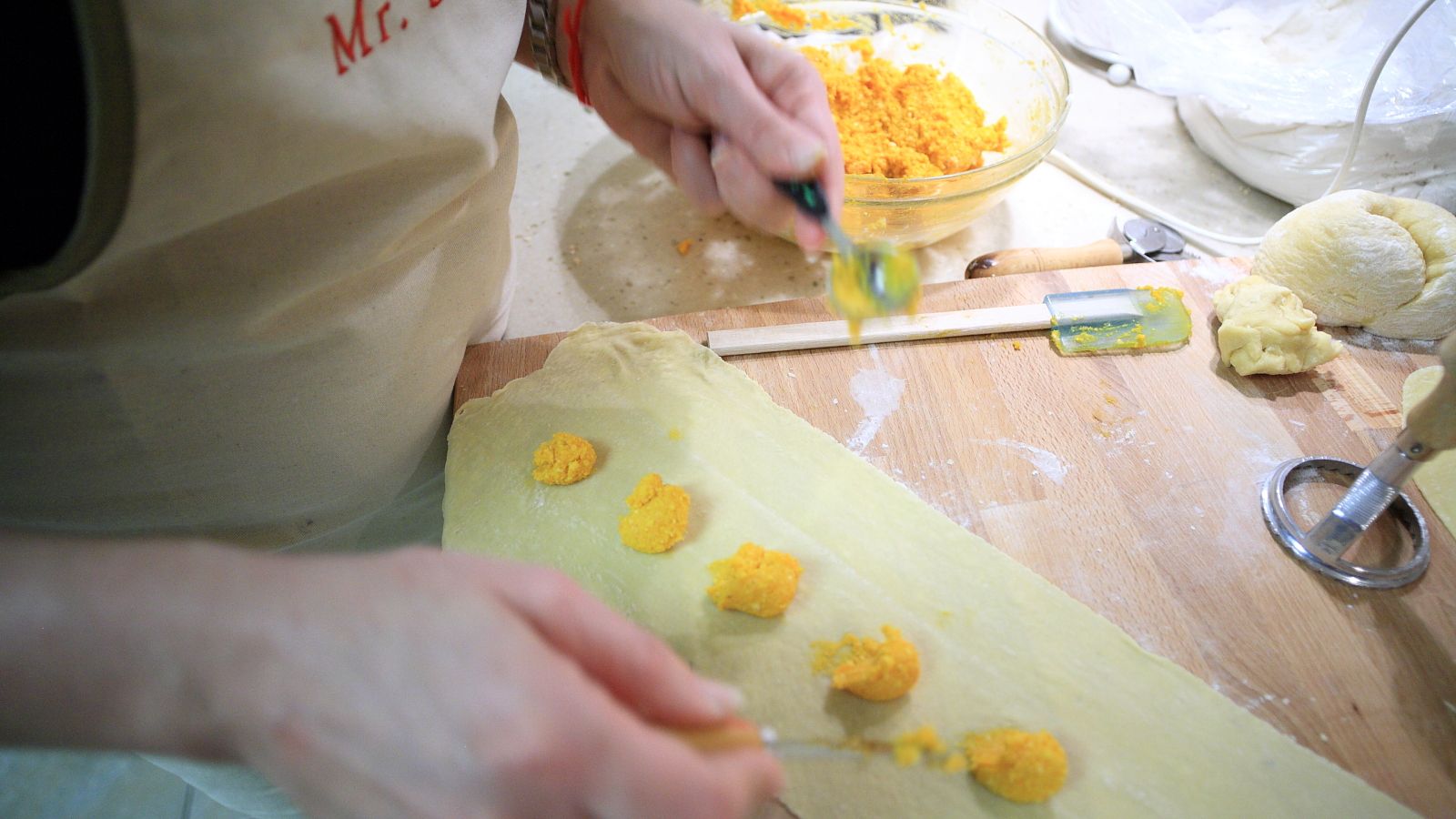
They are the emblematic dish of the city. The filling, reminiscent of Renaissance banquets, combines Mantuan pumpkin, round, flattened and with a skin between green and grey, with crumbled amaretti, apple mostarda and Grana Padano. The classic dressing is melted butter and sage; they are also found with sausage or with tomato.
Risotto alla pilota
It takes its name from the “piloti”, the workers who husked the rice in the “pile”, the old rice-husking mills. The rice, usually Vialone Nano grown in the east of the Mantua area, cooks without being stirred and stays loose-grained; it is dressed with pistume, a minced pork mixture seasoned with garlic, butter and cheese. Served with a chop or with ribs it becomes the risotto “col puntel”.
Agnoli in brodo (stuffed pasta in broth)
Small meat-filled pasta served in broth: it is the festive first course, above all at Christmas.
Bigoli with sardines
Thick fresh-pasta spaghetti with a sardine sauce, a dish from the traditional meat-free repertoire.
Capunsei (bread gnocchi)
Small gnocchi of bread, cheese and eggs typical of the Alto Mantovano, usually dressed with butter and sage.
Main courses
Stracotto, a typical winter dish that in the Mantua area is made mainly with donkey meat, goes perfectly with polenta, which it complements.
Luccio in salsa (pike in sauce), the fish of the lakes and the Mincio, is served with a green sauce of parsley, capers and anchovies and with toasted polenta. Pork is the king of the Mantuan table: salami, cotechino and cured meats accompany many starters.
Cheeses and mostarda
The province of Mantua is the only one that produces both of the great cheeses with protected designation of origin: Parmigiano Reggiano south of the Po and Grana Padano to the north. With the cheeses is served Mantuan mostarda made from campanina apples, hot and sweet at the same time. Among the fruit, in summer, there is the Melone Mantovano PGI.
Desserts
- Sbrisolona cake: flour, almonds, butter and sugar crumbled together. According to tradition it is not cut but broken with a blow in the centre: if it crumbles, it has turned out well.
- Tagliatelle cake: a dessert of thin tagliatelle with almonds and sugar, crisp on the surface. It is thought to date back to the Renaissance: the story goes that the tagliatelle on top of the cake were a tribute to the blonde hair of Christina of Sweden, who was welcomed with great celebrations at the Gonzaga court in 1655.
- Helvetia cake, a dessert made of three discs of almond pastry, filled with two layers of zabaglione and butter cream. The Helvetia cake was invented by Swiss pastry cooks who had been welcomed to Mantua in the 1700s.
- Rose cake: its main feature is its appearance, which recalls a delicate bouquet of roses. Legend has it that it was commissioned by Isabella d'Este in the fifteenth century.
- Anello di Monaco, the leavened Christmas cake. Its origins, too, lie with the Swiss pastry cooks who settled in Mantua in the 1700s: it is made from a leavened dough, shaped like a remarkably tall ring cake and filled with hazelnuts and chestnuts.
- Greek cake: made with a mixture of almonds, sugar and amaretti, it originated in Mantua's Jewish community. It was probably introduced at the beginning of the nineteenth century by a Jewish pastry cook from Thessaloniki.
- Sugolo, a grape-must cream prepared in autumn.
The wines
In the south of the province the house wine is Mantuan Lambrusco, a deeper red than the Emilian Lambruscos, dry or semi-sweet. On the hills of the Alto Mincio, towards Lake Garda, they produce reds from merlot and cabernet, chiaretto (rosé), whites from chardonnay and pinot, and passito wines.
Where to try them
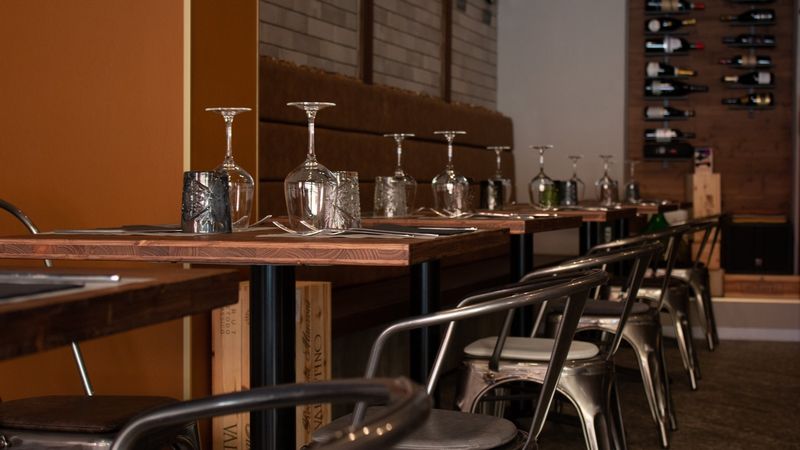
In the guide to where to eat in Mantua you will find the restaurants we recommend: Sücar Brüsc, with a discount for our guests, and Il Cigno, both selected by the Michelin Guide. Before you leave, a sbrisolona to take home is a must.
Frequently asked questions
What is the traditional dish of Mantua?
Pumpkin tortelli, with a filling of pumpkin, amaretti, mostarda and Grana Padano, dressed with butter and sage. Risotto alla pilota is also typical.
What is risotto alla pilota?
A risotto of Vialone Nano rice cooked without stirring, so it stays loose-grained, dressed with pistume, a garlicky minced pork mix, butter and cheese.
How do you eat sbrisolona?
According to tradition it is not cut into slices but broken by hand, with a blow in the centre.
What wine is typical of Mantua?
Mantuan Lambrusco, produced in the south of the province; on the hills of the Alto Mincio they also make reds, chiaretto, whites and passito wines.
Sources and further reading
Information checked against the official websites on 22 October 2026: