Golden Suites Italy
What to see in Mantua: unmissable sights in the Gonzaga city
At a glance
- UNESCO World Heritage Site: since 2008, together with Sabbioneta
- Not to be missed: Ducal Palace with the Bridal Chamber, Palazzo Te, Piazza delle Erbe and Sant'Andrea
- How many days: one for the centre, two with the lakes or Sabbioneta
- Getting around: on foot or by bike: the centre is flat
Mantua is one of the richest art cities in Italy, and since 2008 it has been a UNESCO World Heritage Site together with Sabbioneta. For almost four centuries it was the capital of the Gonzaga, who summoned Mantegna, Alberti and Giulio Romano to their court. Here is what to see, in order of importance, with the time to give to each place.
The Ducal Palace with the Camera degli Sposi
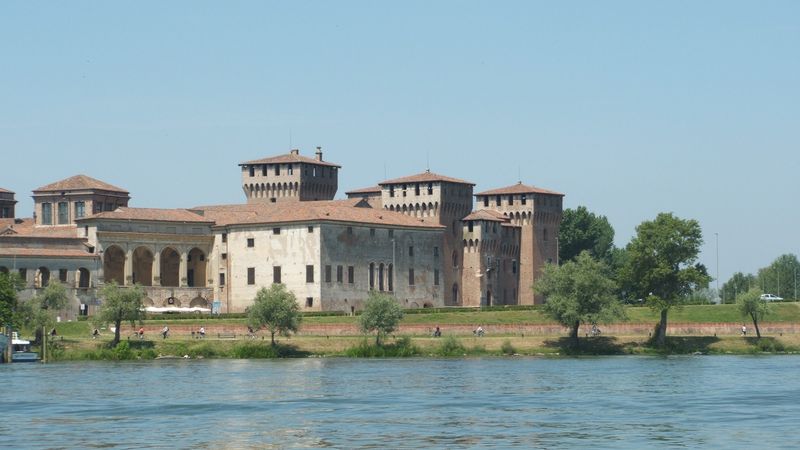
The palace of the Gonzaga is a complex of palaces, courtyards, gardens and a castle, built from the Middle Ages to the eighteenth century. In San Giorgio Castle is Andrea Mantegna's Camera degli Sposi (Bridal Chamber), one of the masterpieces of the Renaissance, with the famous oculus painted at the centre of the ceiling. Time: 2 hours. How to plan your visit: guide to the Ducal Palace.
Palazzo Te
The villa of Federico II Gonzaga, designed and decorated by Giulio Romano, is famous for the Sala dei Giganti (Hall of the Giants), where the whole room seems to collapse on whoever enters, and for the Sala di Amore e Psiche (Room of Cupid and Psyche). It is open on Mondays too. Time: 1.5–2 hours. Read the guide to Palazzo Te.
Piazza delle Erbe, the Rotonda and the Torre dell'Orologio
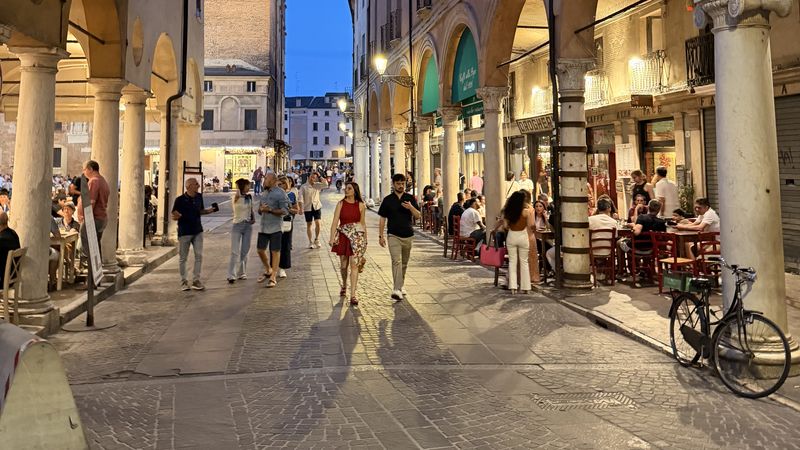
It is the liveliest square in the city. The Rotonda di San Lorenzo, with a circular plan, is the oldest church in Mantua, dating back to 1082. The Torre dell'Orologio (Clock Tower) of 1472 has an astronomical clock showing the hours, the phases of the moon and the signs of the zodiac, and the medieval Palazzo della Ragione has housed the Sonnabend Collection since 2025, with works from pop art to contemporary art. Time: half an hour.
Basilica of Sant'Andrea
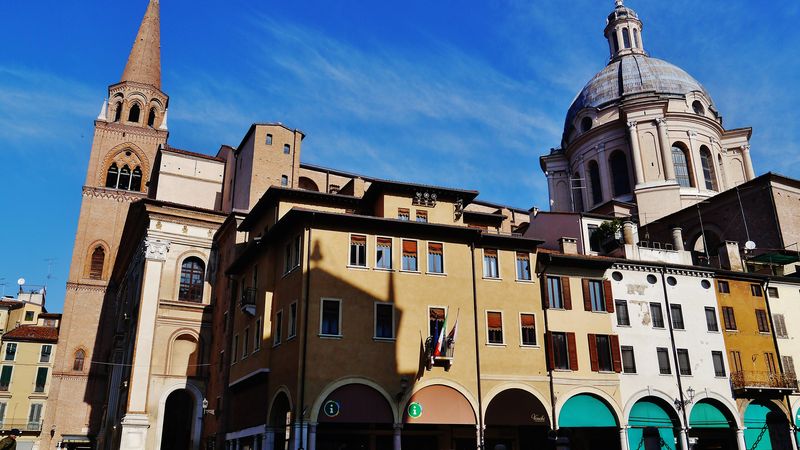
Designed by Leon Battista Alberti, it is one of the great churches of the Italian Renaissance. It holds the Sacred Vessels with the relic of the Blood of Christ and the funerary chapel of Andrea Mantegna. Time: half an hour.
Piazza Sordello and the Duomo
The largest square in the centre is closed off by the crenellated façade of the Ducal Palace and by the Cathedral of San Pietro, which combines a medieval bell tower with an eighteenth-century façade. On the same square tradition points to the house of Rigoletto, the character of Verdi's opera set in Mantua. Time: half an hour.
Teatro Bibiena
An eighteenth-century theatre with a bell-shaped auditorium and four tiers of wooden boxes. It opened in 1769 and in January 1770 the young Mozart performed there. Time: 20 minutes.
Palazzo d'Arco
Palazzo d'Arco: the eighteenth-century house-museum of the Counts d'Arco, with original furnishings and works of art.
Casa del Mantegna
Casa del Mantegna: the house the painter designed for himself, with a circular courtyard inscribed in a square plan. It hosts exhibitions.
Tempio di San Sebastiano
Tempio di San Sebastiano: Alberti's other church, a short walk from Palazzo Te; the Palazzo Te ticket includes the visit, together with the Museo MACA in Palazzo San Sebastiano, with Greco-Roman, Egyptian, Renaissance and Mesopotamian collections.
The Pescherie and the Rio
Giulio Romano's Pescherie are the only public building designed by the painter and architect, built over the water for the fish market. Beside them flows the Rio, the canal that crosses the centre between the Upper Lake and the Lower Lake.
The lakes and the San Giorgio Bridge
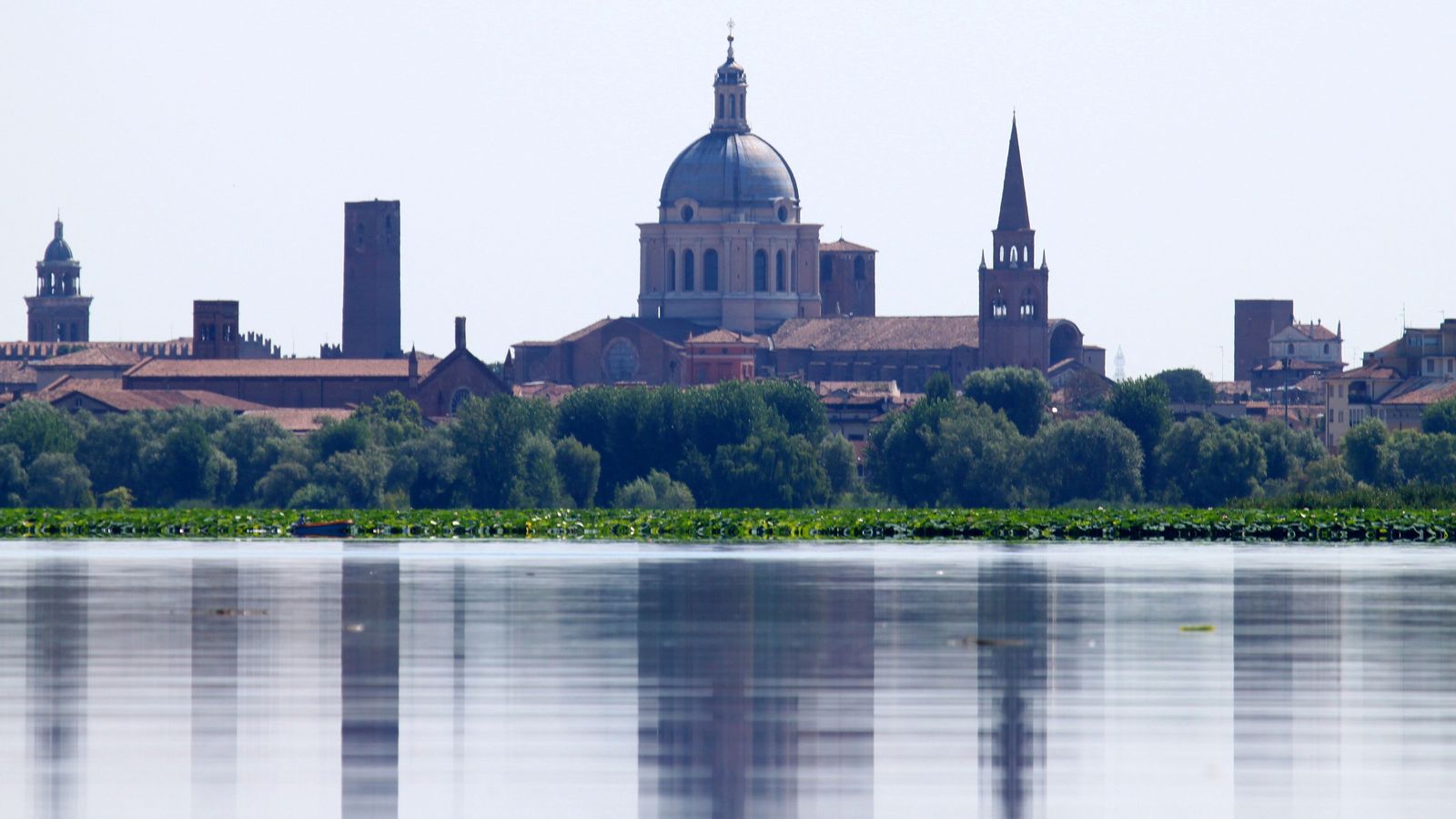
Mantua is surrounded by the lakes formed by the Mincio: Upper, Middle and Lower. The city's skyline reflected in the water, seen from the San Giorgio Bridge or from Campo Canoa, is the most famous image of Mantua. In summer lotus flowers bloom on the Upper Lake. Discover the lakes circuit on foot and by bike and the boat trip on the Mincio.
Out of town: Sabbioneta
About forty minutes away, Sabbioneta is the “ideal city” founded by Vespasiano Gonzaga from 1556, with star-shaped walls and Vincenzo Scamozzi's Teatro all'Antica. It shares its UNESCO status with Mantua. Everything is in the guide to day trips from Mantua.
How much time you need
In one day you can see the Ducal Palace, the centre and Palazzo Te: follow our one-day walking itinerary. In two days, add the lakes and Palazzo d'Arco; with three, Sabbioneta. For a more relaxed weekend there is also the guide to a weekend in Mantua.
Frequently asked questions
What are the must-see sights in Mantua?
The Ducal Palace with the Bridal Chamber decorated by Mantegna, Palazzo Te with the Sala dei Giganti, Piazza delle Erbe with the Rotonda di San Lorenzo, the Basilica of Sant'Andrea and the view of the city from the San Giorgio Bridge.
How many days do you need to visit Mantua?
One day for the centre and the two main palaces; two days to see it at leisure, adding the lakes; three days with Sabbioneta.
Why is Mantua a UNESCO World Heritage Site?
Since 2008 Mantua and Sabbioneta have been World Heritage Sites as examples of the Renaissance envisioned by the Gonzaga: Mantua as an existing city transformed, Sabbioneta as a new city designed from scratch.
What to see in Mantua for free?
The squares, the lakefront, the Rotonda di San Lorenzo and the Basilica of Sant'Andrea. On the first Sunday of the month entry to the Ducal Palace is free.
Sources and further reading
Information checked against the official websites on 22 October 2026: