Golden Suites Italy
What to see in Trento: the complete guide
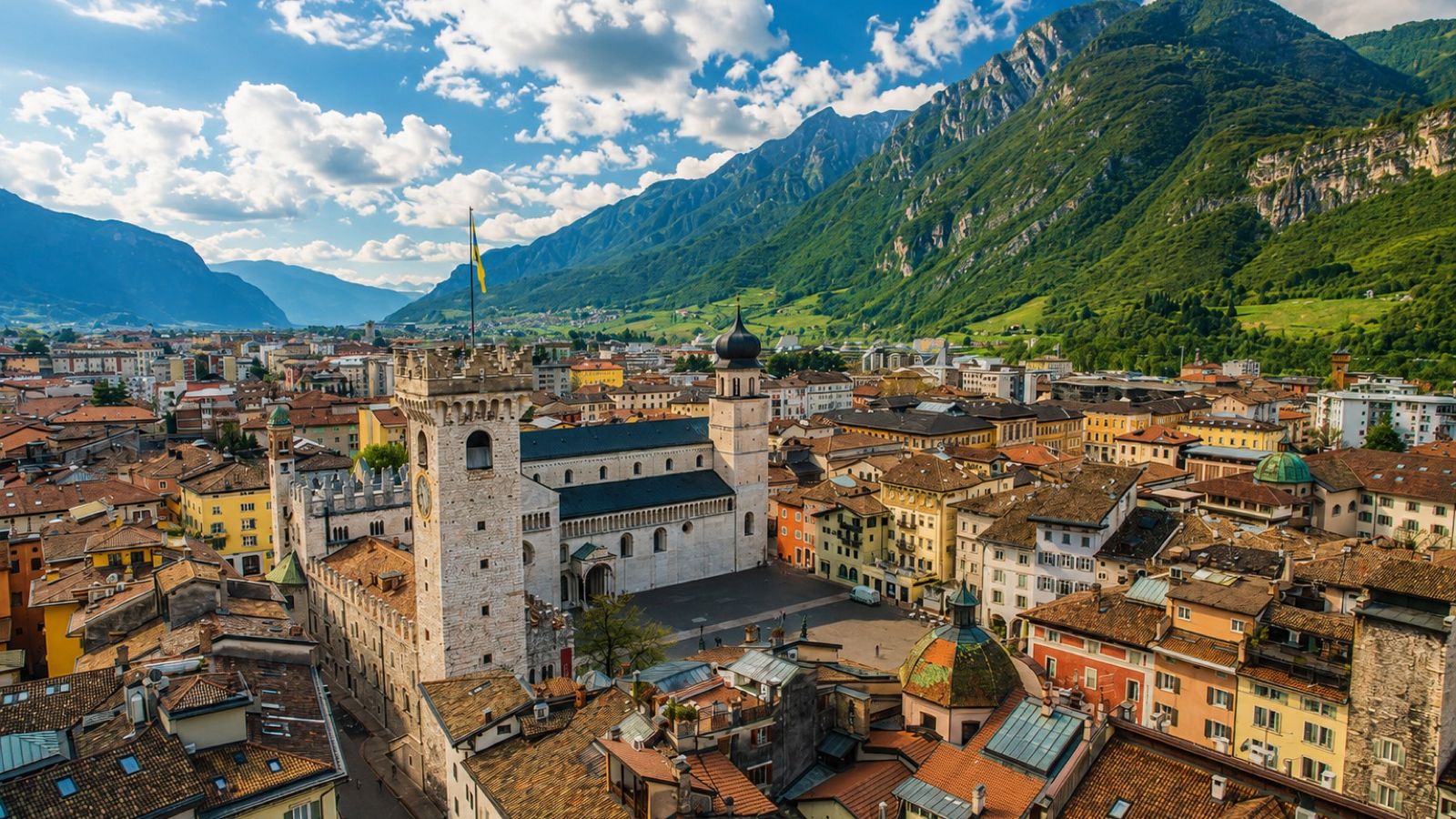
Trento is the perfect city for a weekend — small enough to explore on foot, rich enough in art, history and good food — but it also rewards those who stay longer: a Roman city buried beneath the squares, hikes that start in the centre and lakes close at hand. Here is the complete guide, day by day.
Day 1: the historic centre
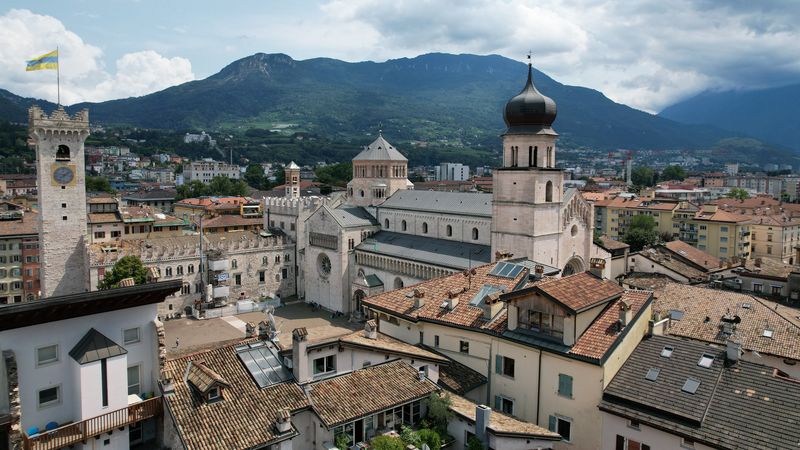
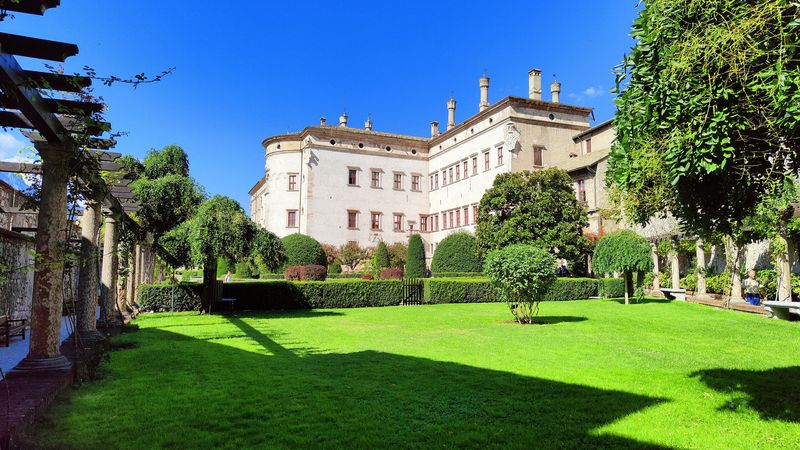
Start in Piazza Duomo, the city's drawing room: the Neptune fountain, the frescoed Case Cazuffi-Rella and the Cattedrale di San Vigilio, where the Council of Trent was held. From there, via Belenzani — the finest street in the city — leads you past Renaissance palaces to the Castello del Buonconsiglio, residence of the prince-bishops: don't miss the Cycle of the Months in the Torre Aquila, one of the masterpieces of International Gothic.
For lunch, look for a traditional osteria: canederli, carne salada and a glass of Teroldego. The afternoon is perfect for the arcades of via Suffragio and a pause in a historic patisserie.
Day 2: the MUSE and around
Devote the morning to the MUSE, Renzo Piano's science museum: six floors of glaciers, dinosaurs and sustainability, ideal with children too. A few steps away, the Le Albere district and the banks of the Adige make for a fine walk.
In the afternoon, the choice is yours: the cable car up to Sardagna and its viewpoint over the city, the vineyards on the hillside, or — with our bike-rental offer — the cycle path along the Adige valley.
Day 3: Roman Trento and the Orrido
Beneath the squares of Trento sleeps Tridentum, the Roman city. Begin at the Spazio Archeologico Sotterraneo del Sas, entered from Piazza Cesare Battisti: some seventeen hundred square metres of paved streets, mosaics, a well and a glassmaker's workshop, all beneath your feet (admission €5, reduced €4, free under 14). A few steps away, on via Rosmini, the Villa romana di Orfeo preserves a large floor mosaic of Orpheus taming the wild beasts, open again after a long restoration (same ticket, often combined with the one for the Sas). To complete the circle, the area archeologica di Palazzo Lodron, in Piazza Lodron, with a stretch of Roman road and city wall: admission is free and it opens only on a few weekdays, Wednesday, Thursday and Friday, within limited time slots — it is worth checking the current days and times before you go.
In the afternoon you leave the city for the Orrido di Ponte Alto, a spectacular gorge carved by the Fersina torrent, with waterfalls and red rock walls, a few kilometres from the centre. It can be reached by car or by bus, or on foot in about an hour for those who enjoy walking. Visits are guided only and by prior booking, along walkways and stairs, and run from spring to autumn: we recommend booking ahead and checking the seasonal calendar, as days and times change over the course of the summer.
Day 4: Trento, city of the Council
A day devoted to the Trento of the prince-bishops and the great Council. Start at the Chiesa di Santa Maria Maggiore, where some of the conciliar sessions were held, then continue to the Museo Diocesano Tridentino, overlooking Piazza Duomo, which holds tapestries, paintings and the treasures of the cathedral. Visits to the Torre Civica leave from the same museum, climbed on foot up the internal staircase: numbers are limited, booking is compulsory and openings are restricted and vary from month to month, so it is best to check in advance.
Not to be missed are the Cattedrale di San Vigilio, with its early Christian basilica, and the Castello del Buonconsiglio, if you have not visited it yet. In the afternoon, a breath of green air: the Bosco della Città, reachable by bus from the centre, and the Parco di Gocciadoro, a green lung much loved by the people of Trento, perfect for a slow walk among centuries-old trees.
Day 5: history and contemporary art
Trento can surprise you with its contemporary side too. The Gallerie di Piedicastello are a rare example of urban regeneration: two former road tunnels turned into an exhibition space where the Fondazione Museo storico del Trentino recounts the twentieth century and the history of the region. Admission is free; they are open from Tuesday to Sunday and closed on Mondays — guided tours must be booked.
From Piedicastello a fine urban trek climbs to Doss Trento, the hill that dominates the city, up to the mausoleum dedicated to Cesare Battisti: from the top you take in the whole of Trento and the Adige valley. For lovers of the art of our own time, the day is rounded off by the Galleria Civica di Trento and Palazzo delle Albere, venues for contemporary art exhibitions.
Day 6: relaxing in the city
After so much walking, a lighter day. The Lido Manazzon, recently refurbished, is the city pool where the people of Trento spend their summer days: pools, lawn, shade and a relaxed atmosphere, a short walk from the centre. A simple, genuine way to experience the city as the locals do.
Hikes to the mountain huts above the city
One of the finest things about Trento is that the mountains begin at the end of the street. Three mountain huts can be reached on foot from the centre, ideal for anyone who wants to walk without taking the car:
- Rifugio Maranza — the climb starts straight from Piazza Duomo, almost nine hundred metres of ascent in about three hours, with the city shrinking at every bend.
- Malga Brigolina — towards Piedicastello and La Vela, then in the direction of Sardagna and the Bondone: about two hours and eight hundred metres of ascent, between woods and meadows.
- Rifugio Bindesi — above Villazzano, about two hours' walk from the centre, a quiet, family-friendly destination.
To shorten the climb you can use the city buses or the cable car and then continue on foot: a convenient way to enjoy only the most scenic part of the trail.
Monte Bondone and the Viote
It is Trento's “natural balcony”: Monte Bondone offers trails for every level of fitness, alpine dairy huts and mountain huts where you can stop to enjoy Trentino cooking, and panoramas that sweep across the Dolomites. Up high, above fifteen hundred metres, the Viote basin is home to two jewels of the MUSE. The Alpine Botanical Garden, one of the oldest in the Alps, displays over a thousand species of high-altitude flora along themed trails: it usually opens in summer, but it is closed for building work and, according to the MUSE, will reopen in June 2027. A little way off, the “Terrazza delle Stelle” Astronomical Observatory offers sky-watching evenings in an area far from light pollution: activities are concentrated in the summer months and take place by reservation, to a calendar published from time to time — it is best to check before going up.
Nearby: the Valsugana lakes and Molveno
A short way from Trento lie the lakes of Caldonazzo and Levico, in the Valsugana: warm, swimmable water, lidos with facilities, cycle paths along the shores and plenty of sport on the water — canoeing, paddleboarding, sailing. They are perfect for a family day out and are quickly reached from the city. On Lake Caldonazzo in particular, our guests can count on our partner offer with the Centro Nautico Alle Barche for boat rental: one more way to enjoy the lake.
Further north, at the foot of the Brenta Dolomites, is Lake Molveno, repeatedly voted among the most beautiful in Italy: emerald water, beaches with facilities and sport for everyone. In summer it is linked to Trento by a very frequent bus, with departures roughly every half hour through the day — handy for anyone who would rather not use the car; the ticket is Trentino Trasporti's and it is free with the Paganella Guest Card. Molveno is also one of our destinations: you will find the dedicated guide among our Travel guides.
Events and festivals
Trento thrives on major events all year round. The Festival dell'Economia and the Festival dello Sport bring international guests to the city; the Trento Film Festival is the most important mountain film festival; in autumn the food and wine season Autumnus celebrates the flavours of the region; in winter the Christmas markets fill the squares with lights and scents. Alongside the great events, the city's own folklore lives on: the Feste Vigiliane in honour of the patron saint, the Fiera di San Giuseppe, the Festa di Santa Lucia and Carnival. The dates vary from year to year: it is worth checking the calendar so your stay can coincide with one of these occasions.
Theatre and culture
Trento's cultural scene has several hearts. The Teatro Sociale, the historic horseshoe theatre in the centre, and the Auditorium Santa Chiara host drama, music and dance all year round. In summer, the Teatro Capovolto festival takes performances outdoors, into unexpected corners of the city. An excellent way to end the day with a show, after the museum or the walk.
Where to stay
Not sure which area to choose? Here is the guide to the best areas to stay; and for Advent, the guide to the Christmas markets.
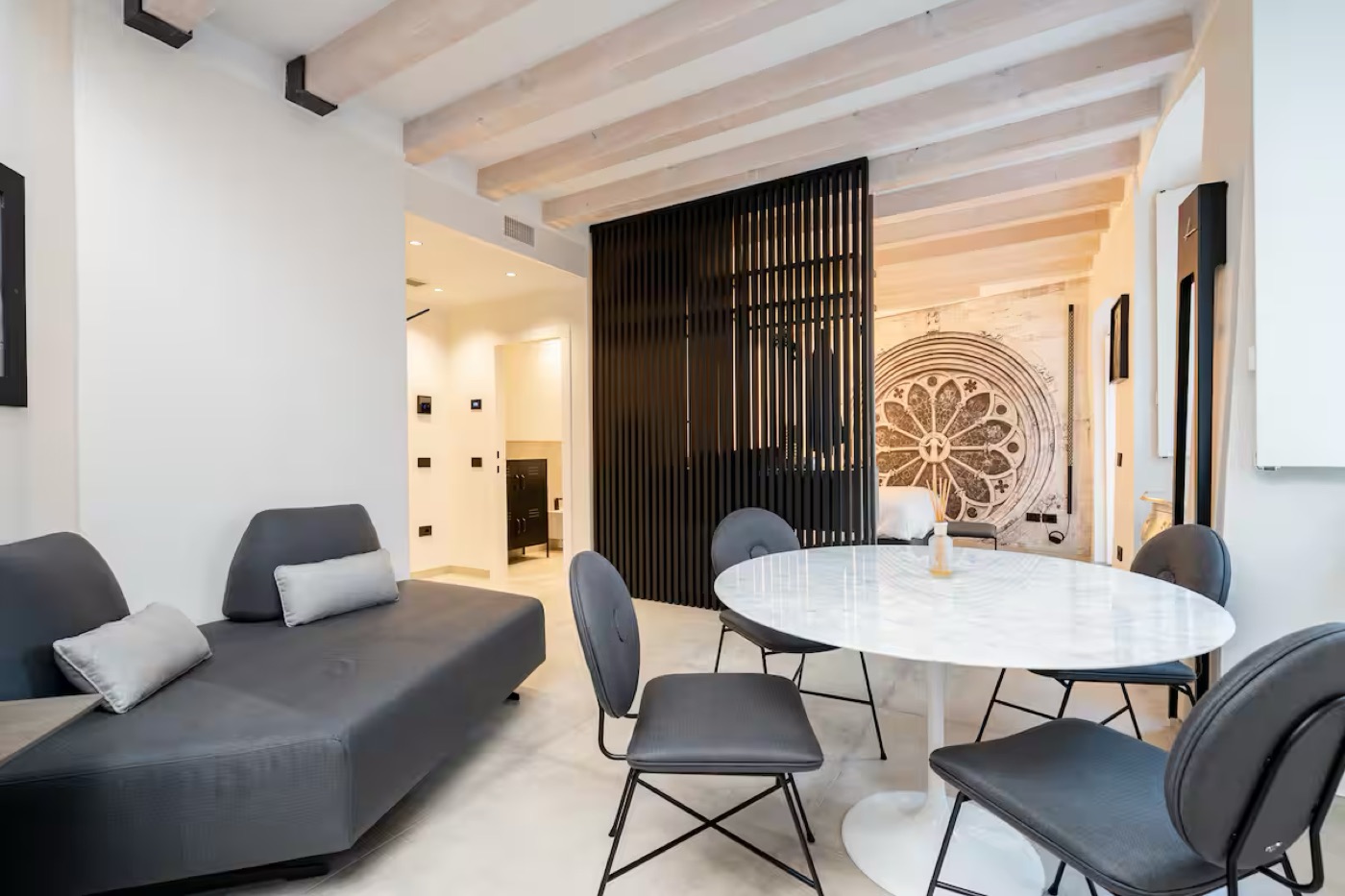
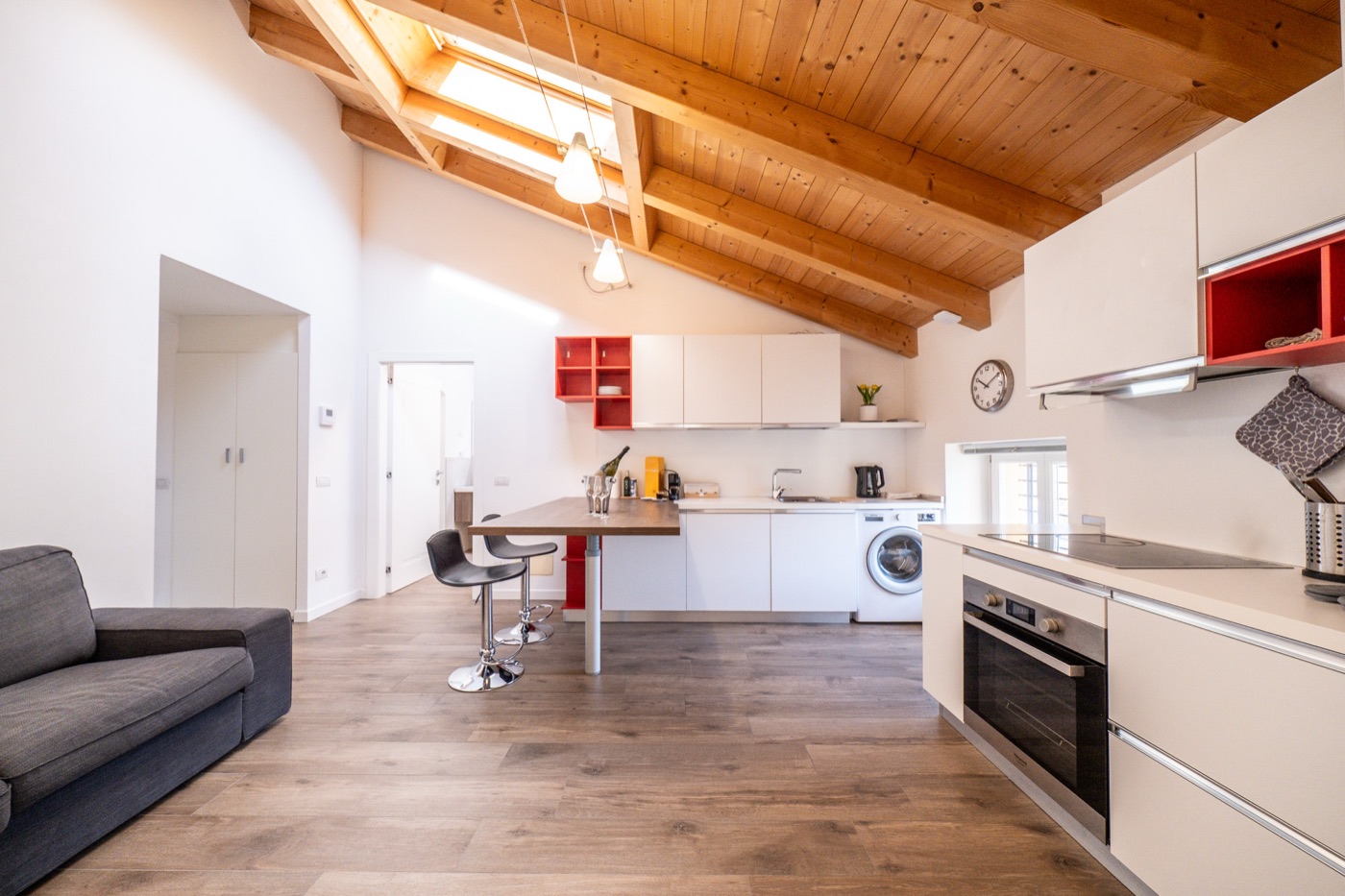
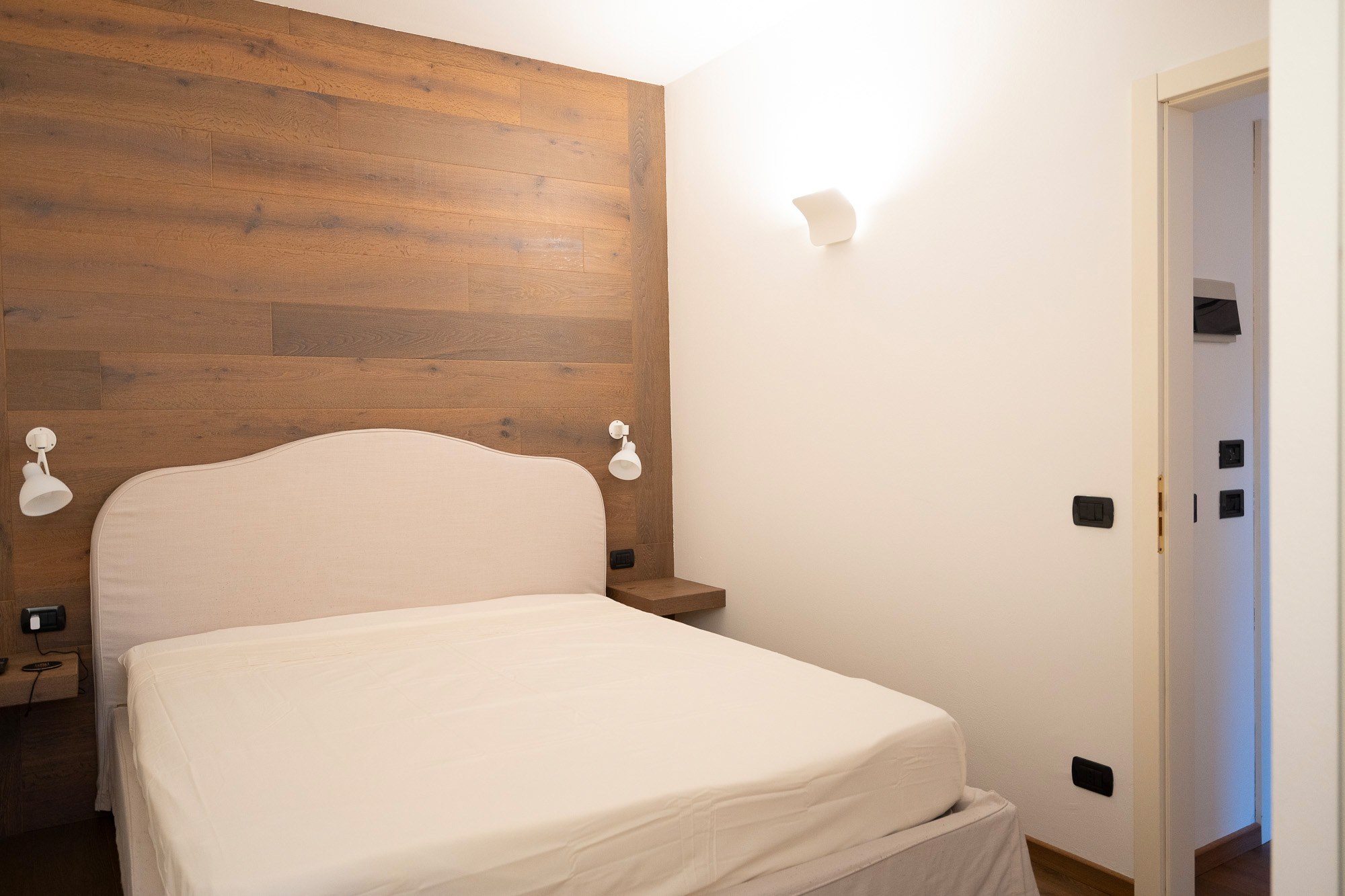
The Golden Suites Italy suites in Trento are almost all right in the historic centre: park once and forget the car. And with the Italo train discount reserved for our guests, Trento is easy to reach without one, too.
Frequently asked questions
What to see in Trento in two days?
On the first day, the historic centre: Piazza Duomo, via Belenzani, Buonconsiglio Castle and underground Roman Trento. On the second, the MUSE in the morning and, in the afternoon, the cable car to Sardagna or the Doss Trento; in summer, alternatively, Monte Bondone or a lake.
What to see in Trento in one day?
Piazza Duomo and the Cathedral, via Belenzani, Buonconsiglio Castle with the Torre Aquila and the Spazio Archeologico Sotterraneo del Sas: all on foot, in about 3 km. You will find the complete itinerary in our guide to Trento in a day.
What to see near Trento?
Monte Bondone, lakes Caldonazzo, Levico and Toblino, the Orrido di Ponte Alto, Molveno and Lake Garda, all within an hour.
Sources and further reading
Information checked against the official websites on 22 October 2026: